Earwigs
What is an earwig?
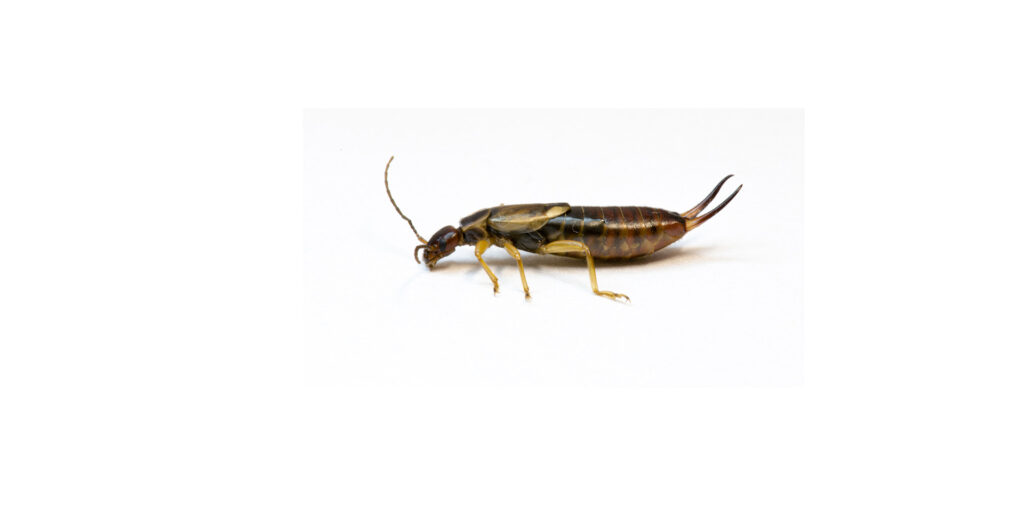
While you may know them as a “pincher bug”, earwigs are an insect easily recognized by their long, smooth bodies and pair of appendages at the tip of their abdomen called “cerci”.
Pincer-like in appearance the cerci are fairly straight on female earwigs and tend to be more curved on the male of the species.
The common earwig is about 5/8 of an inch long, although they have been known to grow larger. They are dark brown to reddish-brown in color and occur as winged and wingless insects. Their name comes from the old myth that these insects would enter human ears, burrow into the brain and lay their eggs.
Why do I have them?
Earwigs are typically outdoor insects and are found in damp areas. They will, however, migrate indoors (often by accident) if the temperature climbs or if there is a lack of moisture present.
As nocturnal insects, they normally congregate in areas that are dark and humid during the day. Typical indoor hiding places are under rugs or potted plants, in stacks of newspapers and similar locations.
During the night they will come out to feed on decaying plant material as well as other insects, including fleas and mites.
Occasionally, earwigs may be brought inside with the morning newspaper, lawn furniture, or other outside items that they were resting beneath.
Request Your Pest Control Estimate
Frequently Asked Questions
Earwigs may try to pinch if they feel threatened, but generally they are not considered to be dangerous to people or pets. Although they may wander indoors, it is a widely accepted thought that earwigs are an “occasional invader” and that they are nothing more than a nuisance pest.
Reducing moisture in and around your structure will help deter earwigs from entering your home or business; however, calling American Pest at the first sign of an infestation is the best way to ensure your property is kept free of earwigs and other pests.
There are DIY pest control products available for common household pests but they are generally ineffective at controlling pests consistently for long periods of time.
At American Pest, we strive to give our customers a rapid, efficient service and make every effort to be with you the same or very next day.
All products used by American Pest are EPA registered for pest control use. Only then can they be considered for use by our highly trained pest control professionals. You can be assured that pest control services provided by American Pest will not cause any harm to humans or pets.
Consider swapping out your regular fluorescent lights with sodium vapor yellow lights (bug lights), as they are less appealing to earwigs and other insects that are attracted to light. Lowering the humidity and eliminating moisture may also help control earwigs, but if your property has already been infested by these insects, your first call should be to American Pest.
We are committed to improving the quality of life for all of our customers by providing the safest and most effective treatment for the management of pests which pose a threat to their health, property and food supply.
Trusted by 30,000+ Homes & Businesses
“American Pest service technicians are always willing to take their time and listen to concerns, answer questions and crawl around checking out areas that may show signs of intruding insects or rodents.”
“I wanted to write to say how impressed I am with your entire crew and the general way you operate. Everyone who entered my home was sympathetic, sensitive, competent, and respectful. I think what stands out was the way your company understood, and expressed in its own way, the psychological damage that bed bugs inflict.”
“Everyone at this company is wonderful to work with – whether it’s customer service, billing, technicians and even the web team! I love this company!”
“I called American Pest because of an ant problem but they wound up treating so much more. Great conversation with the main office and the tech who came to the house was incredibly punctual, courteous, extremely knowledgeable/excited about his work. Happy to say I no longer share the house with ants or any other insects!”
“Excellent service!! Our rep was great, answered all our questions, and explained things well. Had a lot of spiders and other crawlers; nothing since our service!! Would highly recommend!!”
Contact Us Today!
Do you need an estimate for service or have questions about pests? We’d love to hear from you!
Fill out the form and receive feedback today. For immediate service, please give us a call!