Do you have a termite infestation?
Want to prevent a termite infestation?
Eastern subterranean termites are small, foraging insects that live in large social colonies. They feed on the cellulose debris found in leaf litter, wood, soil and dung. It is thought that there are around 4,000 species of termites with around 10% of these considered as pests because of the serious damage they can cause to timber and timber framed buildings.
Eastern subterranean termites live in colonies underground and are among the most prevalent termite species found on the eastern portion of the country. They are considered a wood damaging pest and will account for over 5 billion dollars in damage repairs to US homes this year.
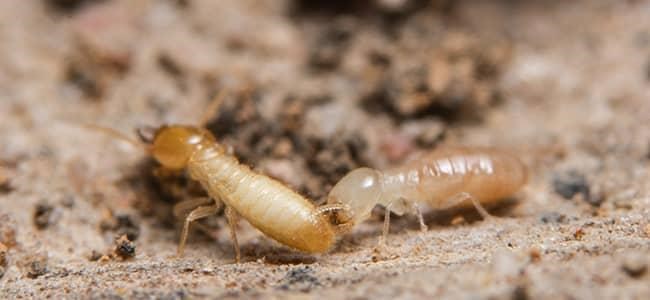
Termites live in the soil around your home in Washington D.C., Baltimore, and throughout Maryland and Virginia. They spend most of their time foraging for the cellulose material found in dead plant material, fallen timber, and other wood debris. It is not uncommon to unearth termites in the mulch surrounding your home or in a nearby wood pile.
When soil conditions are optimal for termite activity, colonies can develop within close proximity to the foundation of your home.
When subterranean termites forage for food they often enter homes through tiny cracks in the foundation, many of which are below the soil surface. Once inside, they continue exploratory foraging until wood is located. This food source can be any structural timber behind walls and ceilings where the termites are difficult to detect. In many instances a termite problem will lie undetected for months, or even years.
For real estate individuals and or companies wanting a termite inspection, please visit our real estate termite inspection page.
Do you have a termite infestation?
Want to prevent a termite infestation?
Request Your Pest Control Estimate
Eastern subterranean termites are not harmful to humans. However, their ability enter homes in search of a food source can cause massive amounts of damage to buildings and structures if left untreated. With the potential to create weaknesses and even failure in structural members, the impact of termites should not be underestimated.
Getting rid of termites is not such an easy task. Due to the size and location of these sub-soil colonies, termites can forage beneath the surface of the soil for upwards of 300 feet from a viable food source. In urban environments is not uncommon for a termite colony to be living in the soil on a nearby property and continue to forage for food inside your home. Once a source of food is established, termite workers will continue to follow a series of tunnels and passageways beneath the surface of the soil by way of a pheromone trail. American Pest’s team of highly trained pest control professionals will inspect for active termite infestations inside homes and propose the best termite treatment option that is right for your individual set of circumstances.
A number of unique factors impact the success of any termite control program. Factors such as drainage, foundation type, structural facade and the location of the termite activity must be taken into account. Do-it-yourself termite control solutions are typically aimed at getting rid of termites in a small, targeted area, and will not take into account for any unique circumstances surrounding your home. Additionally, many of these over the counter products are not sufficient in controlling colony growth. The most effective termite control solution is dependent upon careful inspection and observation, as well as a proposed treatment that will successfully eradicate the entire colony, stopping termite foraging at its source. Not sure which termite control is right for you? Let the professionals at American Pest consult with you regarding the options that will best suit your home. Contact us today for a free quote.
At American Pest, we pride ourselves in serving you in the shortest time possible to provide a swift resolution for all your pest problems. For that reason we strive to be with you the same or very next day.
There are many eco-friendly options available for termite control. In addition, all products used by American Pest are EPA registered for pest control use. Our highly trained pest control professionals will follow all appropriate label requirements in an effort to keep pets and humans safe.
Although it is nearly impossible to prevent termites from entering your home or business, there are a number of conducive conditions to be aware of.
Termites are small, yet highly destructive creatures that can rapidly spread and cause significant damage to homes and other structures. They are able to multiply very quickly, with a single colony going from just a few individual insects to hundreds or thousands within a matter of days. Because of their extremely efficient breeding habits, it is crucial for homeowners to take preventive measures and act quickly if they notice any signs of an infestation. For example, regular inspections and treatment to keep termite populations at bay. By taking these steps, homeowners can help to protect their property from devastating damage caused by termites.
“ I wanted to write to say how impressed I am with your entire crew and the general way you operate. Everyone who entered my home was sympathetic, sensitive, competent, and respectful. I think what stands out was the way your company understood, and expressed in its own way, the psychological damage that bed bugs inflict.

Find out what our customers are saying. Click links to read or leave a review.
J. Davies - Severn, MD
“ I called American Pest because of an ant problem but they wound up treating so much more. Great conversation with the main office and the tech who came to the house was incredibly punctual, courteous, extremely knowledgeable/excited about his work. Happy to say I no longer share the house with ants or any other insects!”
V. Maier - Silver Spring, MD
“ American Pest service technicians are always willing to take their time and listen to concerns, answer questions and crawl around checking out areas that may show signs of intruding insects or rodents.”
J. Evans - Beltsville, MD
“ Everyone at this company is wonderful to work with - whether it’s customer service, billing, technicians and even the web team! I love this company!”
We align with the best, to bring you the best.



If you have questions about our services, plans, or pricing, we are here for you. Call or fill out the form to communicate by email.
